
Stereotactic RadioSurgery (SRS)
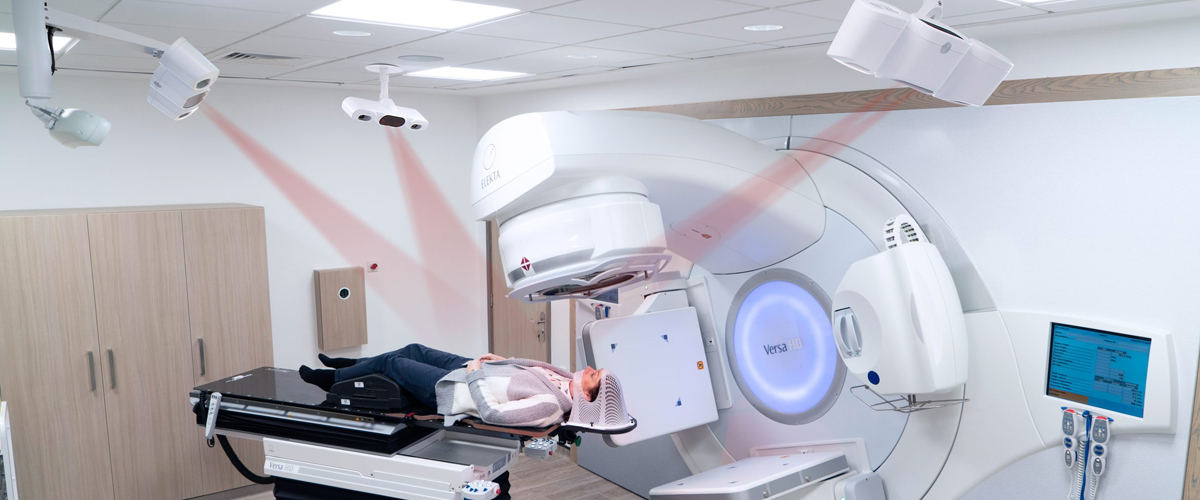
Stereotactic RadioSurgery (SRS)
Stereotactic Radiosurgery (SRS) is a highly advanced, non-invasive radiation therapy technique used to treat small to medium-sized tumors and certain neurological conditions with extreme precision. Despite the name, it does not involve surgery. Instead, it delivers a single or few high-dose radiation treatments targeted precisely at the tumor, minimizing exposure to surrounding healthy tissues.
Types & Conditions Treated
SRS is commonly used for treating:
- Brain tumors (benign and malignant)
- Brain metastases
- Arteriovenous malformations (AVMs)
- Acoustic neuroma (vestibular schwannoma)
- Pituitary tumors
- Meningiomas
- Trigeminal neuralgia
Treatment suitability depends on tumor size, location, and overall patient condition.
Treatment Approach
SRS uses advanced imaging and precision planning to deliver highly focused radiation in one or a few sessions:
- High-precision imaging (MRI/CT-based planning)
- Image-guided radiation delivery
- Single-session or hypofractionated treatment
- Sub-millimeter accuracy targeting
- Non-invasive, outpatient procedure
- Integration with surgery or systemic therapy when required
The goal is to achieve maximum tumor control with minimal impact on normal brain tissue.
Patient Benefits
SRS offers several key advantages:
- Non-surgical, painless treatment
- No hospital stay or minimal downtime
- High precision with reduced risk to surrounding tissues
- Short treatment duration (often 1–5 sessions)
- Effective control of tumors and neurological conditions
- Quick recovery and early return to daily activities
Patient Care & Support
Care is delivered with a focus on safety, comfort, and personalized attention. Patients are closely monitored during and after treatment, with regular follow-ups to assess outcomes and ensure long-term well-being.